


Guidelines for use of RTI Online Portal
In India, RTI stands for the Right to Information, governed by the Right to Information Act, 2005. It is a fundamental right under Article 19(1) of the Constitution that empowers citizens to request information from “public authorities” to ensure transparency and accountability in government functioning.
Key Features of the RTI Act
- Access to Records: Citizens can inspect works, documents, and records; take notes or certified copies; and obtain certified samples of materials.
- Applicability: It applies to all Central and State government bodies, including NGOs substantially financed by the government.
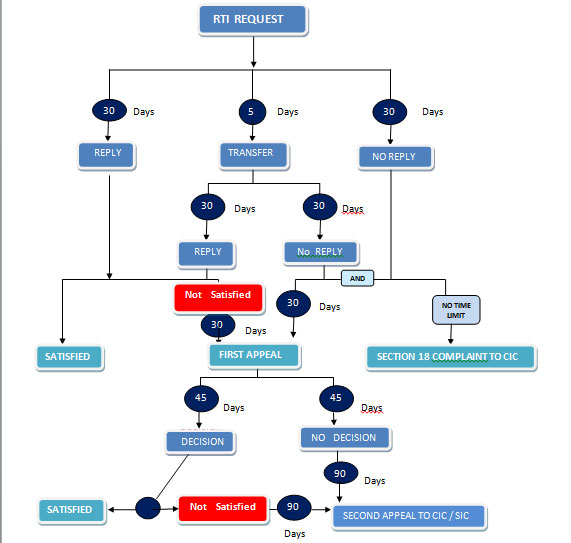
- Time Limit: Information must typically be provided within 30 days of receiving the request.
- Fee: A nominal fee is usually required, though citizens Below Poverty Line (BPL) are exempt if they provide proof.
How to File an RTI (2025)
As of December 2025, you can file requests either online or manually.
- Identify the Authority: Determine if the information is held by a Central or State Government department.
- Use the Online Portal:
- Central Government: Use the RTI Online Portal for Central Ministries and Departments.
- State Governments: Many states have their own portals, such as Uttar Pradesh, Delhi, and Rajasthan.
- Submit Request: Fill out the application (often limited to 3,000 characters or 500 words online) and pay the fee via UPI, Net Banking, or Credit/Debit card.
- Appeals: If you do not receive a reply or are unsatisfied, you can file a First Appeal within 30 days to the First Appellate Authority (FAA). A Second Appeal can later be filed with the Central or State Information Commission.
Current Status and Challenges
- Backlogs: Reports in late 2025 highlight significant delays in processing applications and appeals due to vacancies in Information Commissions.
- Recent Legislation: The SHANTI Bill (2025) has raised concerns among activists, as it reportedly allows the government to exclude certain nuclear-related information from the RTI ambit entirely.